The School Playground Model of Government

A playground with too many rules and regulations and their strict enforcement stifles the playground. The results are kids spending all their recess time against the wall and losing their privileges to use the playground equipment, the sports balls, or the jump ropes. 

Nothing gets accomplished. Nobody grows.

A playground with no rules, regulations, or enforcement results in chaos. The playground devolves into complete chaos. Nobody has any fun and the only means for structure falls to the law of the jungle. 

Nothing gets accomplished. Nobody grows.

The ultimate playground monitor establishes and enforces enough rules to provide an environment where the kids are allowed a generous amount of freedom. These kids tend to have fun, work with each other to solve problems, and discover better ways to operate without spiraling into chaos or choking development.

Things get accomplished. People grow.

As I write this in the United States of America in the Spring of 2024, our nation has been derailed over the past 40 years by a fight between the first and the second model of playground monitoring. As a result, we’re getting nothing done. We are pushing our problems forward to tomorrow instead of developing solutions today. We are eroding what we can be as a nation. 

Our confusion and bickering have let us become victims of the worst bad players from the fringes. Our confusion and bickering have let the proverbial fox into the hen house. It’s time to turn that around and get us back on track. 

In short, we need to find our way back to electing government officials on all levels who will work to establish our governing bodies with the ultimate playground monitor as the primary guiding force. 

The first step is to pay attention. Seek the truth in what’s real. Learn to sift through the bullshit. Walk around and see that things are not as bad as people tell us. Someone is always screaming that the sky is falling but, you know what? The reality shows otherwise. 

Observe, analyze, and decide for yourself. 

Let’s build better playgrounds!

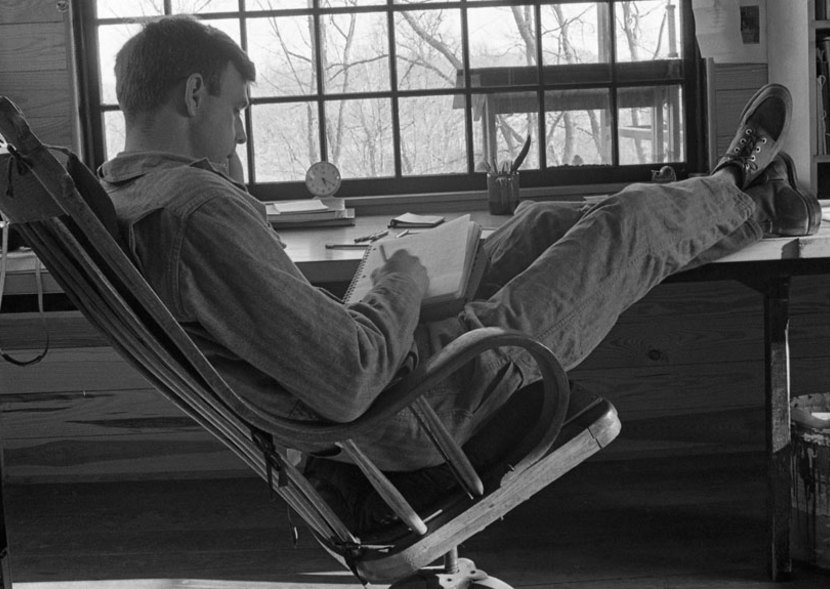
State Government Photographer, CC0, via Wikimedia Commons
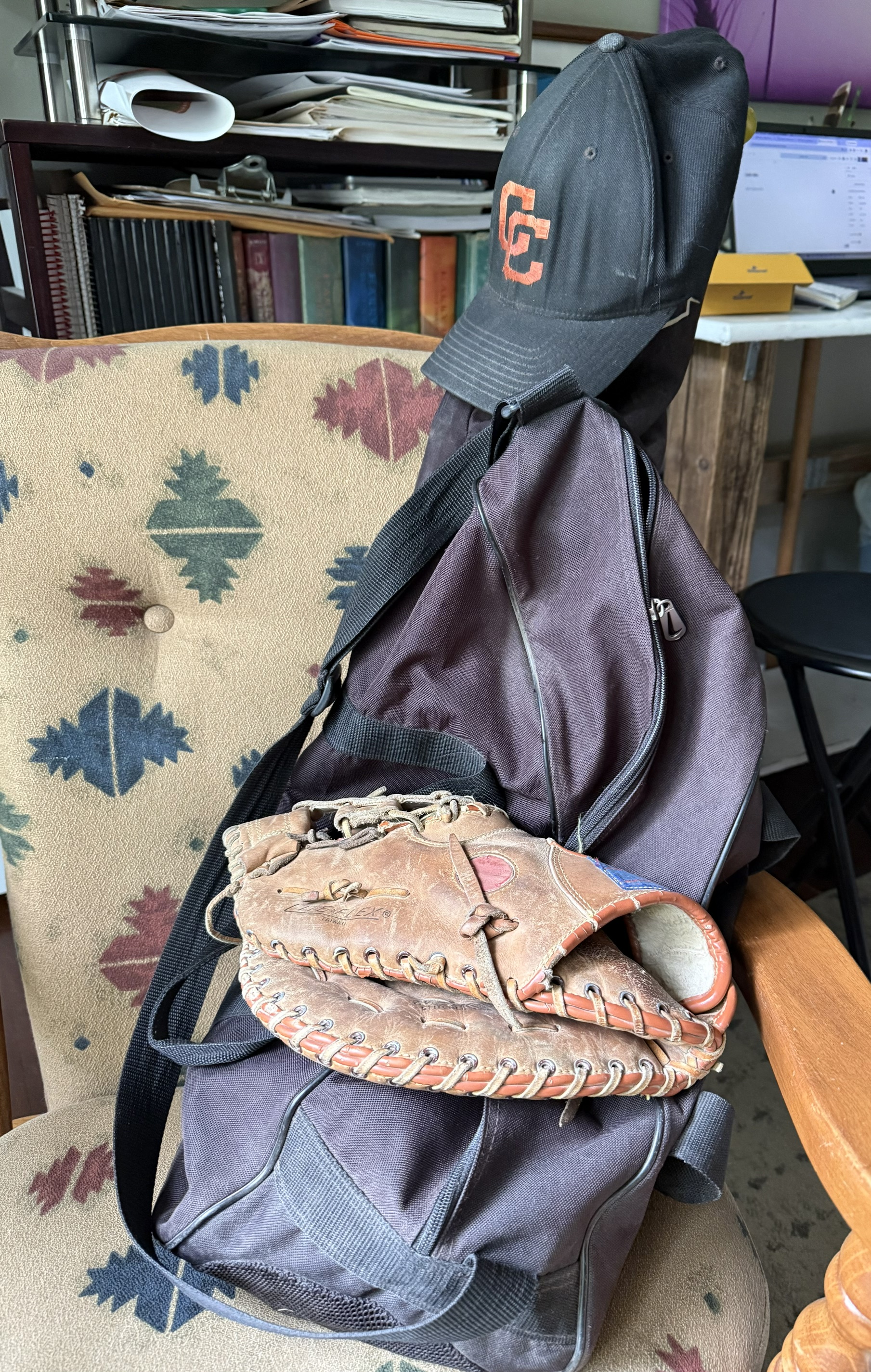
I had to add this image because it reminded me of my school days at Christ
The King Catholic School where our playground was the church parking lot.

We played hard and I went through a lot of Toughskin jean knees there.
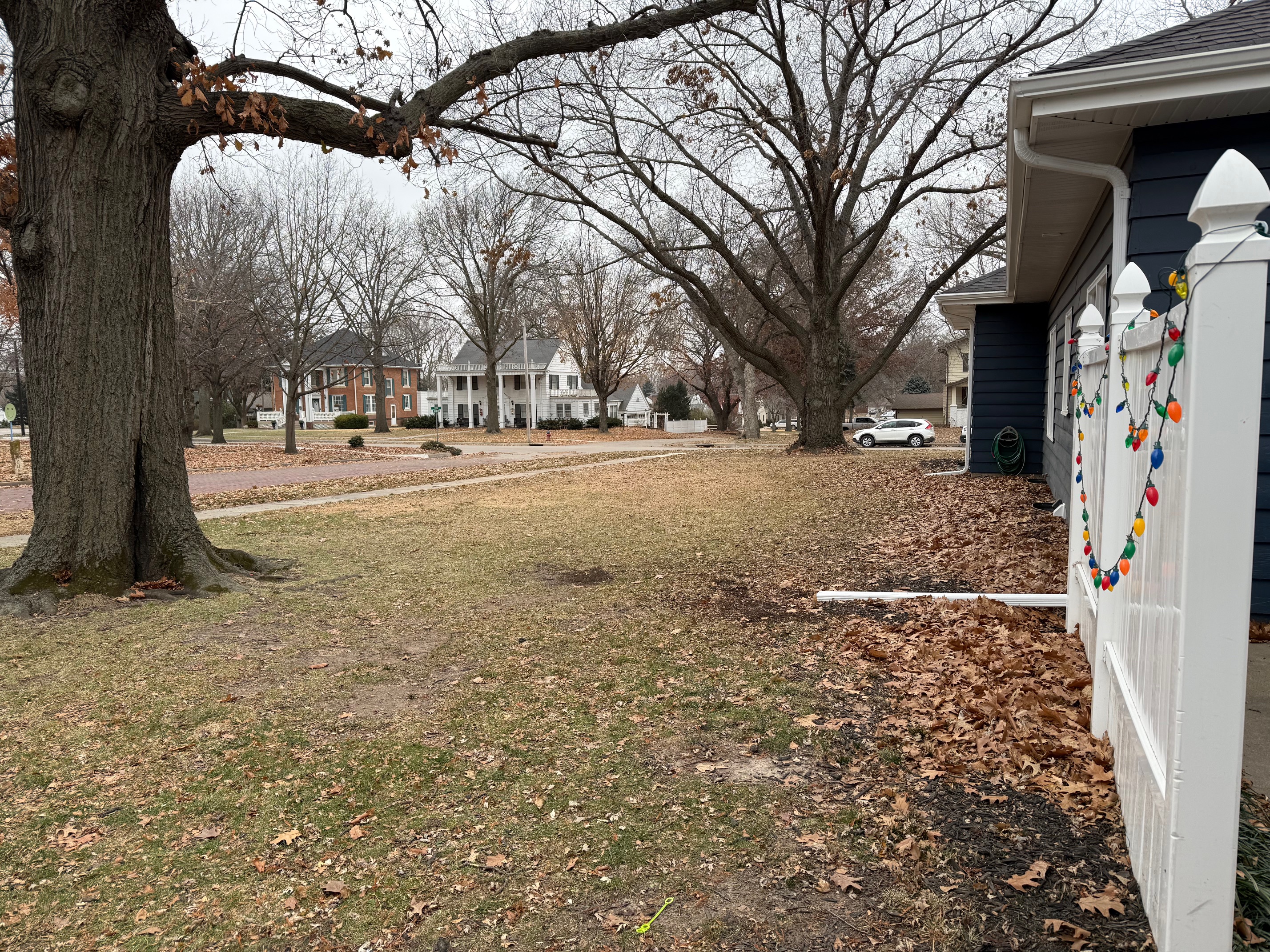
DimiTalen, CC0, via Wikimedia Commons

Leave a comment

Filed under Rants, Uncategorized, Writes

Volume Exceeds Capacity

Youth sports in America have been increasingly shifting to a corporate model of sports. Youth sports are becoming similar to the Military-Industrial Complex President Eisenhower warned us about in his 1960 presidential farewell speech: a Youth Sports-Industrial Complex. It has become more about the money spent and the participation status rather than the joy and ample benefits of playing sports. The goal is to enjoy playing a sport until the day when someone tells you that you can’t play anymore, instead of quitting the sport, often before their career even starts.

Although this profit/corporate model of sports is troublesome to this old man, one of my greatest fears is a problem of volume exceeding capacity in youth sports. This problem is not exclusive to the Youth Sports-Industrial Complex problem mentioned. It’s intertwined and embedded deeply with youth sports because parents who invest this kind of money in their kids’ youth sports activities, more often than not, expect a solid, guaranteed return on their investment. These expectations, whether consciously or unconsciously, lead to increased pressure on the capacities of young athletes.

Volume exceeding capacity is the enemy of youth sports. It happens when the adults responsible for the young athletes’ well-being, even the most well-meaning of adults, push a child beyond one or more of the three vital areas of capacity: physical capacity, mental capacity, and emotional capacity

Physical Capacity

At the basic level, physical capacity is whether or not the athlete can perform the task at hand. It also means the duration of this performance and whether it’s going in a positive or negative direction. 

My favorite example is teaching and hitting in baseball. Swinging a bat and hitting a ball are violent, physical actions. It is a simple movement, but it requires coordination among many muscles and the eyes to be performed well and consistently. In batting practice, exceeding the capacity of these muscle groups leads to a lack of progress or even a slide backward. The muscles get tired, the swing fundamentals change, and the batter who keeps swinging after they reach this point slides backward instead of moving forward. My rule of thumb is 5 swings and rest for preteens, 7 swings and rest for high school hitters, and 12-15 swings for college and above. Keep the session to practicing good swings, resting, and then repeating. Coaches, you will find your hitters gain more from each batting practice session and show faster gains.

Mental Capacity

Mental capacity is the amount of information, new or old, that young athletes can process without becoming overwhelmed. As coaches or parents, we often make the mistake of thinking information travels by osmosis between our heads and our players’ heads. It does not. We must teach and reteach, and then reteach again, until the players successfully learn. The KISS Method (Keep It Simple Stupid) is never a bad philosophy no matter what level your athletes are at. Do not overwhelm with a 30-page playbook for beginner flag football when a handful of running and a few passing plays, when executed, are plenty.

Emotional Capacity

Emotional capacity is often neglected or rarely considered. But, in truth, it is just as important as the other two. The emotional part of athletic development is often the core driver of whether kids keep playing sports. “Fun” while playing means they have a positive emotional attachment to playing. Meltdowns, refusing to play or practice, falling apart at school the morning after a late, weeknight game are several signs the players simply do not have the emotional capacity to navigate the pressures or the failures inherent in sports.

In all three capacities listed above, the individual developmental timeline of each player needs to be taken into account. Every kid is different, so as a coach or parent, learn where each kid’s level of capacities is. From there, know when to back off and know when and how hard to push.

If you are not monitoring and accounting for physical, mental, and emotional limits in your youth sports programs, you should start immediately. This is not easy. It involves paying attention. It involves patience. It involves self-reflection. It involves discipline. It involves doing the right thing even when the negative voices are screaming. It involves creating a buffer zone where the athletes feel protected and comfortable enough to keep trying.

Every kid is different. Every kid develops at a different rate that influences their physical, mental, and emotional development. It’s basic brain science at work and harkens back to the adage, “Knowledge is power”. 

With youth sports, we too often forget the main purpose that we are out there. We are there to teach the game and cultivate players who enjoy playing the game. We are not there to win today’s game at any and all costs. Winning is the last box to check, and success can truly only be attained if you develop athletes properly and understand the limits of their physical, mental, and emotional capacities of the kids under your responsibility.

Honestly, I’m a proponent of challenges in the process of improvement in any facet of life, but overwhelming a young athlete and introducing struggles with a bar set too high is NO FUN.

No fun leads to no enjoyment. 

No enjoyment leads to no love for the game.

No love for the game eventually leads to walking away from the game.

Side note: After we finished our city recreation machine pitch league this summer, several parents asked me how to determine if their kid was ready to try out for a travel baseball team. My first thought was to scream out, “WAIT AT LEAST FIVE YEARS!” since I’m not a huge believer in traveling baseball before ten years old. I didn’t scream that; instead, I gave them the following simple test to prove they might be ready for an increase in competition and expectation.

If the kid can consistently throw and catch a baseball from at least 10-15 yards away without dropping or chasing the ball around the field, they might be ready to consider playing on a traveling team. If a young player can’t catch or throw a ball, they will struggle from the gate with 2/3 of the game of baseball, and your experience might not be worth the investment or stress.

Why spend several thousand dollars on outfitting and traveling costs if you haven’t spent the time throwing and catching a baseball? These basic skills cannot be bought.

Leave a comment

Filed under Coaching, Rants, Uncategorized

Blessed Are You If You Do It

So when he had washed their feet
and put his garments back on and reclined at table again,
he said to them, “Do you realize what I have done for you?
You call me ‘teacher’ and ‘master,’ and rightly so, for indeed I am.
If I, therefore, the master and teacher, have washed your feet,
you ought to wash one another’s feet.
I have given you a model to follow,
so that as I have done for you, you should also do.
Amen, amen, I say to you, no slave is greater than his master
nor any messenger greater than the one who sent him.
If you understand this, blessed are you if you do it.”

John 13:12-17

A new realization hit me while listening to the Catholic Daily Reflections daily podcast episode for Holy Thursday. From the time I was a kid attending Catholic grade school, the focus on Holy Thursday has always been the physical act of Jesus washing the feet of his Apostles before the Last Supper. 

The opener of Holy Week. 

This year, fueled by the message of this podcast episode, I realized that one of the most important pieces of Christ’s entire ministry often gets buried between washing the feet and the Last Supper. It’s one line that tells us everything we need to do to be a follower of Christ. Everything necessary to be a true and faithful Christian. 

I have given you a model to follow,
so that as I have done for you, you should also do.

It is a simple ask by Christ and not at all confusing or subject to interpretation. While Jesus often taught in parables whose meanings often required thought and contemplation to make sense of, there are several occasions where Jesus was concise and to the point. The directive given before they sat to break bread one last time is one of those cases.   

Throughout the Gospels, the instruction Jesus gives the Apostles after washing their feet might best represent the essence of being a Christian. Sadly, this directive from Jesus is often neglected or ignored throughout much of modern American Christianity, which increasingly leans toward Christian Nationalism. We have subverted Christianity through our own human lens to fit our daily life instead of following Christ’s principles as a guide for how to live.

We are called to a life in Christ with the directive to follow His model.

As He has done for us, we should also do for others.

And if we follow this simple directive from Christ, he promises we will be blessed.

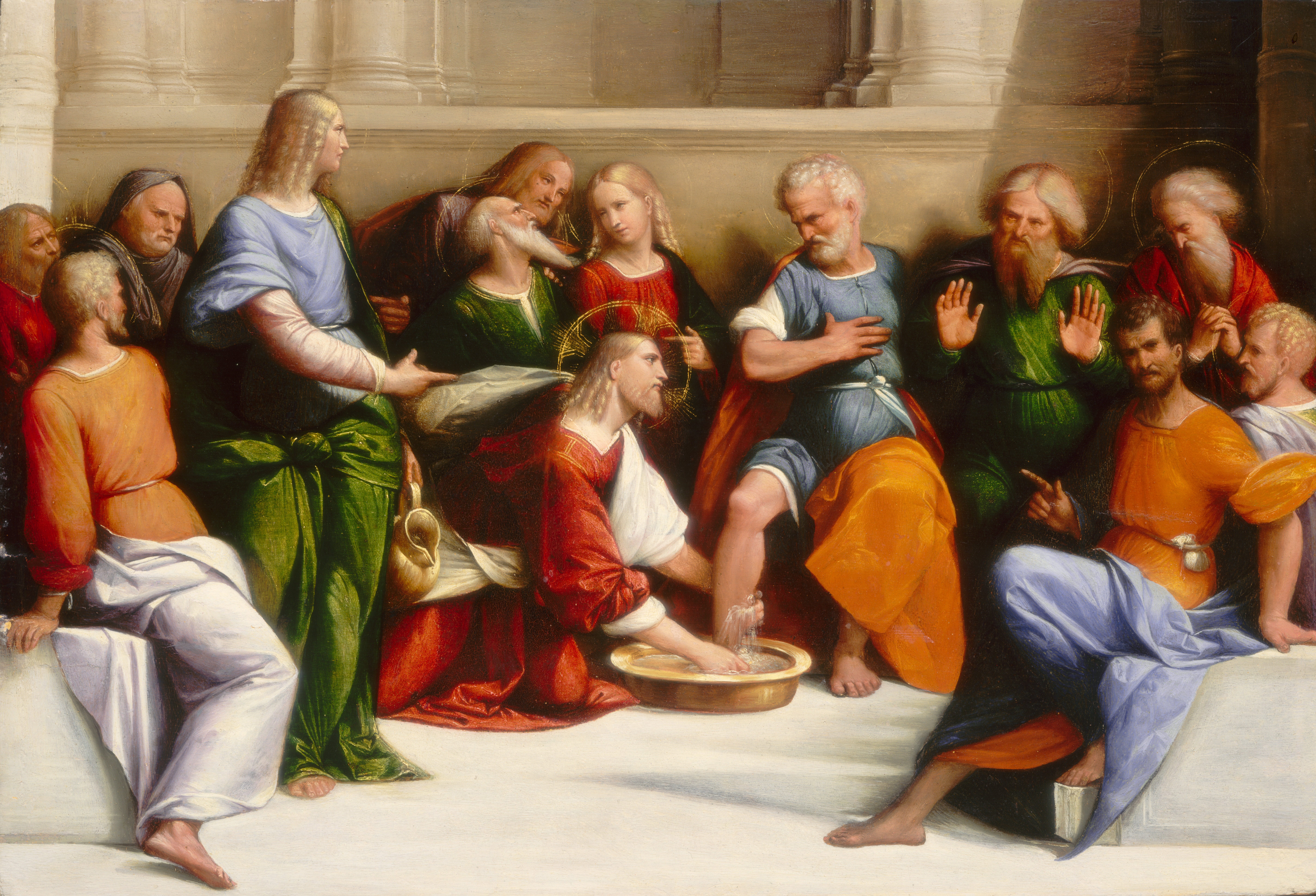
Benvenuto Tisi, Public domain, via Wikimedia Commons
Unknown, Public domain, via Wikimedia Commons, Mosaics in Hosios
Loukas Monastery, Boeotia, Greece, early 11th-century Byzantine

Leave a comment

Filed under Uncategorized

Work Smarter, Not Colder

The plan today was to do the final fallen leaf mowing of 2025. The leaves turned and fell very late this fall, so this facet of lawn maintenance has run deep into November and December. (Note: The garden also had an extended growing season, i.e., I ate the final tomato of the season today on my roast beef sandwich at lunch. That’s never happens.)

However, a cold front (a polar vortex if you listen to the weathermen) moved in, and it’s 20 degrees. Add to that a steady northeast wind and damp, humid air, and it’s not the most pleasant of days to work outside.

I’ve never been a person who shies away from cold weather. Hell, I’m usually in shorts and short-sleeve shirts until the temps consistently fall below the 40s. But as I’m firmly into my sixth decade of life, I don’t nearly enjoy the cold weather like I used to. Old man problems.

So, on this cold, dark, and damp Saturday morning, I began to prep for the task at hand when I stopped to look at the weather app on my phone. 23 degrees with a wind chill of 5. Cold.

Perhaps to delay my trip to the outdoors, I risked a look at the 10-day forecast. Guess what? The weather for next Saturday is partly cloudy and 50 degrees.

Boom!

The decision was quickly made. The Saturday plan rapidly shifted. The coat, the hat, and the gloves were put back into the closet. Those leaves on the ground are probably not going anywhere over the next seven days. Mowing and raking in 50 degree weather sounds much better than mowing and raking in single-digit wind chills.

With age comes wisdom, at least that’s what old men like me want to believe. Wisdom says, “Work smarter, not harder.” But today, I’m going with the wisdom of “Work smarter, not colder.”

Next Saturday, I might even get to wear shorts to mow the leaves. Win!

Leave a comment

Filed under Rants, Reads, Uncategorized, Writes

Baseball Bats

Thirteen years old and I’m playing right field late in the game on a late weeknight game at Liondotte Field, Kansas City, Kansas. 

It’s hot. 

It’s mid-June humid, and there’s a haze in the air, which, for once, is not caused by the 1970s-era parents chain-smoking in the stands trying to stay awake.

The coach has thrown me out in the field as a defensive substitution so he can sleep better knowing he played every kid on the team and still got the win. There’s hardly a sound around the mostly empty field. The little league field next to us is empty and dark. Those players and their families long cleared out. Our best pitcher is on the mound, throwing his usual gas, so the baseball probably hasn’t seen the outfield grass all night. I feel safe out in right field.

Being thirteen is tough. Things are changing. Life is changing. I am sitting the bench for the first time in my life for two reasons. The first reason is a new coach with new rules. Our new head coach was also in charge of the program’s fundraising and implemented the rule that nobody who did not sell at least one box of 25 World’s Finest chocolate bars would start on his team. I, even the 13-year-old me, do not sell things with much joy or success. I sold only four chocolate bars out of my box of 25, and I sold all four of those to myself. 

The second reason I was sitting on the bench that summer was that I knew when we got back to school that fall and the nurse ran us through the compulsory vision and hearing tests, my parents would hear the four words that sent shock waves up most parents’ spines, ”Your kid needs glasses.” I couldn’t see very well. I was nearsighted.

We were as far away from being rich as you could be without being called poor. I knew we didn’t have the money so I’d spent most of the spring and into the summer adjusting. When I was at bat, I saw two baseballs. The trick became figuring out which one to hit. Eventually, I figured it out pretty well, but it took some time.

That night in right field, looking up, I saw swarms of bugs flittering around the outfield light pole. It’s like a natural light show with the light reflecting off the wings and bodies of the insects. I also noticed black shadows streaking across the field of illuminated bugs. Bats.

They were mesmerizing to watch. Zipping around the globe of light in the sky. The crack of the bat brought me back to the baseball field as a check-swing pop fly descended to foul ground down the right field line. The coach yelled at me to wake up. I did not get there nearly in time to make the sure out. The coach yelled some more. I jogged back to my spot in the right field, thinking about echolocation and how the bats found their food in the dark night sky. 

Echolocation is when an animal, like a bat, sends out a sound wave. The sound wave reflects off an object back toward the emitting animal, who then processes and determines distance, shape, location, etc. from the rebounding waves. Humans have an innate, but underdeveloped, ability for echolocation. Since most home sapiens have spent eons not using this innate skill, it is hidden for most of us. Many blind people learn to use their innate sense of echolocation to help them navigate their place in space.

Settling back down in my position, I watched the bats work over the last few innings. They zoomed in and out of the light, following the navigation maps constantly being updated in their tiny brains, and never giving up on chasing a meal. It hit me that I could take a lesson from those bats. Not to become a caped crime-fighter in downtown Kansas City, but to trust my senses and keep trying even though my vision was failing. I vowed to keep swinging the bat and using my version of echolocation to make each swing count. Instead of a cape and cowl, this bat-inspired human would don a batting helmet, spikes, and uniform. The struggle would be real, but the journey now had ample fuel.

I found my way eventually. Down the line, over the next school year, my parents calmly accepted those four dreaded words from the school nurse, and I got glasses. I tried to be thoughtful at all times, knowing how much of a financial burden it had to have been, so I took care of those glasses like they were gold. I only wore them when needed and never had them on when it came to an activity where the potential for hard contact was possible. 

I did wear them for baseball, though, and it changed everything. When you’ve been trying to hit two baseballs and all of a sudden there’s only one, the success rate of every swing rises. I fell in love with baseball again. I wish I could say the same about selling fundraising chocolate bars, but alas, not all in life is as easily remedied with lenses and frames.

Even though the 13-year-old me couldn’t fully appreciate this at the time, the adult me fully appreciates how my parents handled the baseball disappointments that summer and beyond. They could have jumped in and helped sell my candy bars. Many parents do this; mine did not. They could have complained to the new coach about me being relegated to the very end of the bench. Many parents do this; mine did not. My parents let me navigate through these issues. They let me deal with the situation and, even though it was a blind step, they let me find the way forward. That was pretty cool.

Echolocation. No matter where we are in life, there are times when a step becomes a blind step. Times when the sky is black as night and/or there’s a blinding light ahead. Times when everyone needs to trust the gut and the mind instead of relying on the eyes to move forward in life. Trust your experiences and lessons learned to pick the right ball to hit. Trust the fact that even if you miss, odds are you’ll get another swing on the next pitch, the next game, or the next season.

Baseball bats can help show the way.

I’m now in my early 60s, and I still love baseball. I also still love bats of all kinds. 

And it all started on a baseball field.

Baseball at Night by Morris Kantor, 1934 (Photo credit: American Art Museum on Visualhunt.com/)

1 Comment

Filed under Reads, Uncategorized, Writes

A Words Look: Hope by Pope Francis, Part 4

The wind of the Spirit hasn’t stopped blowing. Have a good journey, brothers and sisters.

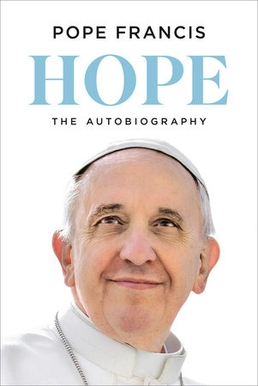
My reading for Lent this year was Pope Francis’s autobiography, Hope. The Pope says in the introduction that this book was scheduled to be released after his death, but he felt the current state of worldly affairs warranted its release before his death and before he fell ill and was hospitalized. It makes me wonder if he knew his end was near and the flock would need guidance during these difficult times we are experiencing.

I am blessed to have experienced the papacy of Pope Francis. His teachings, his kindness, and especially his smile are spiritually transforming influences.

This line above is from the end of the book. It’s the perfect and concise 15-word piece of life advice any Christian needs.

The Spirit is right there.

Allow it to lift us.

Leave a comment

Filed under Reads, Uncategorized

A Words Look: Hope by Pope Francis, Part 3

The deepest, happiest, most beautiful reality for us, for those we love, has yet to come.

My reading for Lent this year was Pope Francis’s autobiography, Hope. The Pope says in the introduction that this book was scheduled to be released after his death, but he felt the current state of worldly affairs warranted its release before his death and before he fell ill and was hospitalized. It makes me wonder if he knew his end was near and the flock would need guidance during these difficult times we are experiencing.

It’s an exceptional book. Pope Francis tells his history, his background, and always ties the past into the relevance of following Christ and taking our faith into the world. Hope is a book I will keep on my shelf. I will add it to my essential reading list to reread at least every five years.

As I type this, we have a new pope! Pope Leo XIV, the first American-born pope. I’m very hopeful and excited to witness and participate in, as Pope Leo XIV preached in his first homily of his inaugural mass, a plea for unity, peace, and a missionary spirit. With the words of Father James Martin of the Jesuit Order, when asked to define Pope Francis’s lasting legacy. Fr. Martin thought for a few seconds and said Pope Francis’s greatest legacy is that he lived in the footsteps of Jesus Christ.

Pope Francis walked the Christian walk. His whole life was dedicated to living his faith both inside and outside the physical church. He lived his faith above and beyond the strict ceremonies and procedures as Jesus himself did. Christianity is a living faith. Christianity is a community. To live as Christians, we must all follow Pope Francis’s spirit and walk with Jesus Christ among our brothers and sisters from the least to the greatest.

I highlighted four quotes from the book that hit hard. Here’s the third in which Pope Francis addresses the power of hope and prayer in living the Christian life. When I look around the world and our country now, we all could use a recharge to what Jesus called us to do and to be as His followers.

Be sure of it: The deepest, happiest, most beautiful reality for us, for those we love, has yet to come. Even if some statistic tells you the opposite, even if tiredness weakens your powers, never lose this hope that cannot be beaten. Pray with these words, and if you are unable to pray, murmur them to yourself, do it even if your faith is weak, murmur it until you believe it, murmur it also to those in despair, to those with little love: The best wine has yet to be served.
So long as we continue to find cheer in the gaze of a child and in the infinite possibilities of goodness, so long as we allow mercy to dwell within us, everything will always be possible. Clinging to the anchor of hope, we can say with the lines of the poet Nâzim Hikmet,

The most beautiful sea
hasn’t been crossed yet.
The most beautiful child
hasn’t grown up yet.
Our most beautiful days
we haven’t seen yet.
And the most beautiful words I wanted to tell you
I haven’t said yet…

Leave a comment

Filed under Reads, Uncategorized

A Words Look: Hope by Pope Francis, Part 2.

Build a better future by building a better now.

My reading for Lent this year was Pope Francis’s autobiography, Hope. The Pope says in the introduction that this book was scheduled to be released after his death, but he felt the current state of worldly affairs warranted its release before his death and before he fell ill and was hospitalized. It makes me wonder if he knew his end was near and the flock would need guidance during these difficult times we are experiencing.

It’s an exceptional book. Pope Francis tells his history, his background, and always ties the past into the relevance of following Christ and taking our faith into the world. Hope is a book I will keep on my shelf. I will add it to my essential reading list to reread at least every five years.

As I type this, I am watching Pope Francis’s funeral procession through the streets of Rome, and I am struck by the words of Father James Martin of the Jesuit Order when asked to define Pope Francis’s lasting legacy. Fr. Martin thought for a few seconds and said Pope Francis’s greatest legacy is that he lived in the footsteps of Jesus Christ.

Pope Francis walked the Christian walk. His whole life was dedicated to living his faith both inside and outside the physical church. He lived his faith above and beyond the strict ceremonies and procedures as Jesus himself did. Christianity is a living faith. Christianity is a community. To live as Christians, we must all follow Pope Francis’s spirit and walk with Jesus Christ among our brothers and sisters from the least to the greatest.

I highlighted four quotes from the book that hit hard. Here’s the second in which Pope Francis addresses the fundamental task of a Christian to build a better future by building a better now.

It occurs to me that young people never run the risk described in the Gospel of Luke: “Woe to you when all speak well of you” (Luke 6:26). But above all that, instead of judging or complaining, each generation is called upon to not ignore its crucial challenge: that of educating. The fundamental task that is required of men and women is to make good use of their time on earth and to build the future. In the words of the sociologist Zygmunt Bauman, who I met in Assisi in September 2016, when he was already ninety, and who gave me valuable food for thought, especially in his analysis of the “liquid society”: “If you are thinking about the next year, plant corn; if you are thinking about the next ten years, plant a tree; but if you are thinking about the next hundred years, educate.”


Leave a comment

Filed under Reads, Uncategorized, Writes

A Words Look: Hope by Pope Francis, Part 1

My reading for Lent this year was Pope Francis’s autobiography, Hope. The Pope says in the introduction that this book was scheduled to be released after his death, but he felt the current state of worldly affairs warranted its release before his death and before he fell ill and was hospitalized. It makes me wonder if he knew his end was near and the flock would need guidance during these difficult times we are experiencing.

It’s an exceptional book. Pope Francis tells his history, his background, and always ties the past into the relevance of following Christ and taking our faith into the world. Hope is a book I will keep on my shelf. I will add it to my essential reading list to reread at least every five years.

As I type this, I am watching Pope Francis’s funeral procession through the streets of Rome, and I am struck by the words of Father James Martin of the Jesuit Order when asked to define the lasting legacy of Pope Francis. Fr. Martin thought for a few seconds and said Pope Francis’s greatest legacy is that he lived in the footsteps of Jesus Christ.

Pope Francis walked the Christian walk. His whole life was dedicated to living his faith both inside and outside the physical church. He lived his faith above and beyond the strict ceremonies and procedures as Jesus himself did. Christianity is a living faith. Christianity is community. To live as Christians, we must all follow Pope Francis’s spirit and, from least to greatest, walk with Jesus Christ among our brothers and sisters.

I highlighted four quotes from the book that hit hard. Here’s the first.

“We must feed hope through the force of gestures, instead of placing our hope in gestures of force. “

– Pope Francis

Leave a comment

Filed under Reads, Uncategorized, Writes

A Word’s Look: Workingman’s Blues #2 by Bob Dylan

Of the entire canon of Bob Dylan’s work, I think Workingman’s Blues #2 runs a close second to Like a Rolling Stone. The song came out in 2006 on Dylan’s Modern Times album. I cannot remember where I first heard or became aware of it. It was probably on one of the last area real-life classic rock stations before those faded into oblivion. The song isn’t one of the more popular or well-known of Dylan’s works but it strikes a chord in my middle-class soul.

Dylan says the song was written after touring with the great Merle Haggard as a nod to his Workin’ Man’s Blues, hence the “#2” in the title. For me, this is such a great song because of the visuals and emotions Dylan strikes with the music and the lyrics. Add in Dylan’s gravely, older voice, and this song hits the mark dead center.

The gold nugget at the heart of the story is, that despite life’s burdens that drag the narrator down, there exists the hope things will get better. At the end of the day, we all need to shine our nugget of hope to keep it fueling our daily toils despite “the buyin’ power of the proletariat” being down. (Who else besides Dylan can work the word “proletariat” into a song without a “WTF?” by the listening audience?)

Stoned59, CC BY 2.0, via Wikimedia Commons

Workingman’s Blues #2 by Bob Dylan

There’s an evening’ haze settlin’ over the town
Starlight by the edge of the creek
The buyin’ power of the proletariat’s gone down
Money’s gettin’ shallow and weak
The place I love best is a sweet memory
It’s a new path that we trod
They say low wages are a reality
If we want to compete abroad

My cruel weapons have been put on the shelf
Come sit down on my knee
You are dearer to me than myself
As you yourself can see
I’m listening’ to the steel rails hum
Got both eyes tight shut
Just sitting here trying to keep the hunger from
Creeping it’s way into my gut

[Chorus]
Meet me at the bottom, don’t lag behind
Bring me my boots and shoes
You can hang back or fight your best on the front line
Sing a little bit of these workingman’s blues

Now, I’m sailing’ on back, ready for the long haul
Tossed by the winds and the seas
I’ll drag them all down to hell and I’ll stand them at the wall
I’ll sell them to their enemies
I’m trying’ to feed my soul with thought
Gonna sleep off the rest of the day
Sometimes no one wants what we got
Sometimes you can’t give it away

Now the place is ringed with countless foes
Some of them may be deaf and dumb
No man, no woman knows
The hour that sorrow will come
In the dark I hear the night birds call I can hear a lover’s breath
I sleep in the kitchen with my feet in the hall
Sleep is like a temporary death

[Chorus]
Meet me at the bottom, don’t lag behind
Bring me my boots and shoes
You can hang back or fight your best on the front line
Sing a little bit of these workingman’s blues

Well, they burned my barn, they stole my horse
I can’t save a dime
I got to be careful, I don’t want to be forced
Into a life of continual crime
I can see for myself that the sun is sinking
How I wish you were here to see
Tell me now, am I wrong in thinking
That you have forgotten me?

Now they worry and they hurry and they fuss and they fret
They waste your nights and days
Them I will forget
But you I’ll remember always
Old memories of you to me have clung
You’ve wounded me with words
Gonna have to straighten out your tongue
It’s all true, everything you have heard

[Chorus]
Meet me at the bottom, don’t lag behind
Bring me my boots and shoes
You can hang back or fight your best on the front line
Sing a little bit of these workingman’s blues

In you, my friend, I find no blame
Wanna look in my eyes, please do
No one can ever claim
That I took up arms against you
All across the peaceful sacred fields
They will lay you low
They’ll break your horns and slash you with steel
I say it so it must be so

Now I’m down on my luck and I’m black and blue
Gonna give you another chance
I’m all alone and I’m expecting you
To lead me off in a cheerful dance
Got a brand new suit and a brand new wife
I can live on rice and beans
Some people never worked a day in their life
Don’t know what work even means

[Chorus]
Meet me at the bottom, don’t lag behind
Bring me my boots and shoes
You can hang back or fight your best on the front line
Sing a little bit of these workingman’s blues

Leave a comment

Filed under Reads, Uncategorized, Writes

A Words Look: John Prine, Storyteller

Storytellers, really good storytellers, are priceless. It doesn’t matter if it’s the storyteller down at the local tavern or the storytellers behind award-winning books, movies, and songs, they are a precious commodity. They are a useful and valuable thing for community and society. 

One of America’s greatest storytellers was the musician John Prine. Prine produced a treasure trove of storyteller songs in his 50+ years as a professional musician. He’d survived throat cancer and lung cancer. Both affected his singing voice but neither stopped him from performing, which he did until his untimely death in April of 2020 from COVID complications. 

I’m eternally grateful to Coach Paul Lane for burning a CD of John Prine and sliding it into a stack of CDs he gave me one summer. I remember throwing it into the player while working out in the garage gym when “Hello in There” came on. I had to stop everything I was doing, sit down, and listen to those lyrics three or four times before I could get back to business. It is such a great song, mesmerizing and hypnotic to the point you feel you’re sitting in the room with the old couple. That’s powerful storytelling. That’s magic.

There’s so much one could ramble on about John Prine but I think his collaborator on the great “In Spite of Ourselves”, Iris DeMint, said it best.

“John Prine was, without a doubt, one of the greatest songwriters this world will ever know,” DeMent wrote on Facebook. “Here’s why he rests on my heart’s mountaintop: Because he cared enough to look—at me, you, all of us—until he saw what was noble, and then he wrapped us up in melodies and sung us back to ourselves. That was the miracle of John Prine. And it was enough.”

There are a multitude of great John Prine content on YouTube. One can randomly select one and travel down the road to storytelling greatness. I particularly appreciate his work throughout his career highlighting the struggles of Vietnam Veterans, like “Sam Stone” and “Angel From Montgomery”. Below is a link to the last song he recorded before passing. It’s called “I Remember Everything” and it’s storytelling only as John Prine can weave.

John Prine’s last recorded song, “I Remember Everything”.

Leave a comment

Filed under Reads, Uncategorized, Writes